Fans Knew It Was Coming — But Mike Ross's Exposure Still Shocked Everyone
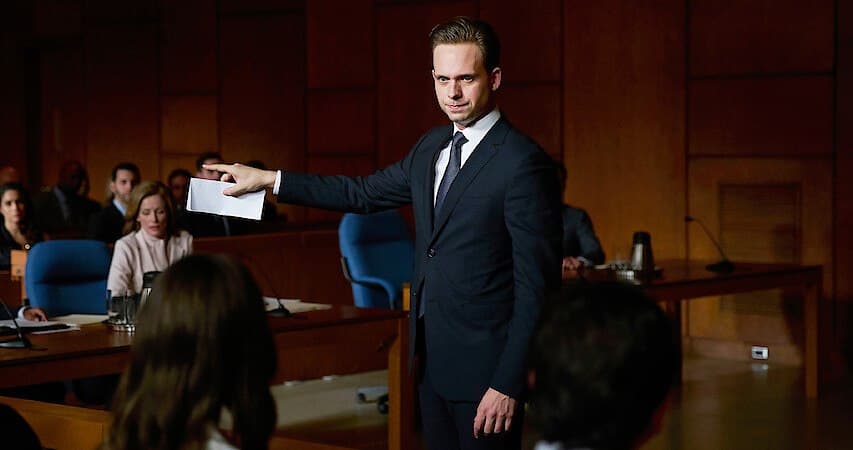
Fans Knew It Was Coming -- But Mike Ross's Exposure Still Shocked Everyone
For years, one question hovered over every episode of Suits: How long could Mike Ross keep his secret hidden? From the moment viewers met the brilliant college dropout with a photographic memory, it seemed inevitable that his deception would eventually be uncovered. After all, Mike wasn't just bending the rules. He was practicing law without a degree and without a license. In most television dramas, a secret this massive would be revealed within a season or two. Yet Suits managed to stretch the storyline over multiple seasons, making audiences wonder whether Mike would somehow continue escaping consequences.
As someone who watched the series from its early years, I always expected Mike's secret to come out eventually. What I didn't expect was how invested I would become in hoping it never happened. Every close call felt like a near disaster, and every successful escape made me believe he might somehow beat impossible odds. That's why, when the exposure finally happened, it landed with far more emotional weight than I anticipated.
The Secret That Powered the Entire Series
Mike Ross's fraud wasn't just a subplot. It was the foundation upon which Suits was built. The show's premise immediately stood out because it combined legal drama with a high-stakes secret. Mike had all the intellectual ability of a top lawyer, yet lacked the credentials required to practice law. Meanwhile, Harvey Specter took a tremendous risk by hiring him, knowing exactly who he was.
This arrangement created a fascinating moral dilemma for viewers. Mike was technically committing fraud, but he was also helping clients, solving cases, and often demonstrating more integrity than many licensed attorneys around him. The audience wasn't rooting for a villain. They were rooting for someone who seemed genuinely deserving of success despite having broken the rules.
That moral complexity helped explain why fans remained captivated for so long. Every episode carried an undercurrent of tension. Whether Mike was in a courtroom, a boardroom, or a casual conversation, there was always the possibility that someone would discover the truth.
Looking back, one of the smartest things the writers did was constantly tease exposure without fully delivering it. The characters became suspicious. Investigations began. Questions were asked. Evidence surfaced. Yet somehow Mike always found a way out. As a viewer, I remember repeatedly thinking, "This has to be the moment everything falls apart."
Then it wouldn't. The repeated near misses created a unique relationship between the audience and the story. We knew the truth couldn't stay buried forever, but the show's ability to delay the inevitable made us wonder whether the impossible might actually happen.
Why the Reveal Was More Emotional Than Expected
When Mike's secret finally unraveled, the reaction wasn't simply shock. It was a strange mixture of relief, anxiety, and sadness. By that point, viewers had spent years watching Mike grow as both a lawyer and a person. He had developed meaningful relationships, earned respect from colleagues, and proven his abilities countless times. The audience wasn't evaluating him based on his original deception anymore. They were evaluating him based on the person he had become.
That's why the exposure felt different from many television reveals. In most shows, viewers anticipate the downfall of someone hiding a major secret. In Suits, many fans actively feared it. We understood that Mike's actions were wrong, but we had also watched him demonstrate loyalty, compassion, and competence for years.
I still remember watching those episodes with a sense of dread. Every conversation felt loaded with danger. Every investigation seemed more serious than the last. Unlike earlier seasons, there was a growing sense that Mike had finally run out of escape routes. The tension became almost unbearable because the consequences felt real.
What made the reveal especially effective was that it didn't only affect Mike. Harvey faced consequences. Jessica faced consequences. The entire firm faced consequences. The exposure threatened relationships that viewers had spent years investing in emotionally.
Instead of feeling like a twist designed purely for shock value, it felt like the natural culmination of years of storytelling. That's a difficult balance for any television series to achieve.
The Ripple Effect That Changed Suits Forever
Many television shows experience major turning points, but few fundamentally alter the dynamics of their world the way Mike's exposure did. Before the reveal, Suits often revolved around protecting the secret. Afterward, the series had to explore what happened when the secret no longer existed.
The shift immediately changed the tone of the show. Characters could no longer focus solely on preventing discovery. Instead, they had to confront the consequences of choices they'd made over many years. Long-standing relationships were tested in new ways. Loyalties were questioned. Personal sacrifices became unavoidable.
One aspect I found particularly compelling was how the exposure forced every major character to examine their own moral boundaries. Harvey had knowingly enabled the fraud. Jessica had protected it. Louis had been manipulated by it. Rachel had built a future around someone living a double life. Each character was forced to ask difficult questions about responsibility and accountability.
The show's writers deserve credit for resisting the temptation to treat the reveal as a single dramatic event. Instead, they explored the aftermath in detail. The consequences continued unfolding long after the initial shock wore off.
As a viewer, that approach made the storyline feel more authentic. Real-life consequences rarely appear and disappear within a single episode. They create ripple effects that spread through relationships, careers, and personal identities. Mike's exposure wasn't simply the end of a secret. It was the beginning of an entirely new chapter.
Why Fans Are Still Talking About It Years Later
Many memorable television moments fade with time, but Mike Ross's exposure continues to generate discussion among fans because it represented the payoff to one of television's longest-running storylines. The reveal succeeded because it delivered something audiences had anticipated for years while still managing to surprise them emotionally.
Everyone knew the secret would eventually come out. What fans didn't fully understand was how attached they had become to the people involved. That's why conversations about the storyline often focus less on the exposure itself and more on the emotional reactions surrounding it. Viewers debate whether Harvey should have hired Mike. They discuss whether Mike deserved forgiveness. They analyze the decisions made by Jessica, Rachel, and Louis.
The storyline also raises broader questions that remain relevant long after the final episode.
Can talent outweigh credentials?
How much should someone be defined by their past mistakes?
At what point does redemption become possible?
These questions helped elevate the storyline beyond a simple plot twist. The exposure worked not only because it advanced the narrative but because it challenged viewers to think about fairness, ambition, and second chances. For me, that's why the moment remains unforgettable.
I started watching Suits expecting a clever legal drama. What I found was a story built around one impossible secret and the consequences of living with it. By the time Mike Ross was finally exposed, I wasn't wondering whether he would get caught anymore. I was wondering how everyone would survive the fallout.
That emotional investment is what separated the storyline from countless other television twists. Fans knew it was coming from the very first episode, yet when it finally happened, it still felt shocking. Few television moments can claim that kind of achievement.
The reveal wasn't memorable because it surprised viewers with information they didn't know. It was memorable because it forced viewers to confront an outcome they had spent years trying not to imagine. And in doing so, it changed Suits forever.