The Big Bang Theory Made Raj Koothrappali One Of Its Most Underrated Characters
The Big Bang Theory Made Raj Koothrappali One Of Its Most Underrated Characters
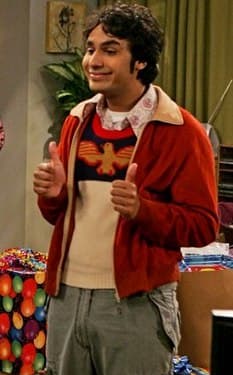
When people discuss the best characters in The Big Bang Theory, the conversation usually centers around Sheldon Cooper’s brilliance, Penny’s charm, or Howard Wolowitz’s comedic transformation. Those characters understandably received enormous attention throughout the series. However, one character quietly became one of the most emotionally relatable and underrated parts of the entire show: Raj Koothrappali.
Raj was often treated as comic relief. The show used his awkwardness, selective mutism, romantic failures, and emotional sensitivity for jokes. But underneath the humor was a character who reflected loneliness, insecurity, emotional vulnerability, and the desire for connection in ways that felt surprisingly real. Many viewers laughed at Raj, but many also quietly saw themselves in him.
Unlike Sheldon, Raj did not dominate scenes with confidence or intelligence-driven arrogance. Unlike Howard, he did not hide behind constant jokes and flirtation. Raj often felt emotionally exposed. He wanted love deeply. He wanted acceptance. He wanted to feel understood. That emotional honesty made him one of the most human characters in the series. The truth is that The Big Bang Theory sometimes overlooked just how emotionally important Raj really was.
One reason Raj became so underrated is because he was the most emotionally open member of the group. Many sitcom characters avoid emotional vulnerability, especially male characters. Raj was different from the beginning. He openly expressed fear, loneliness, heartbreak, jealousy, insecurity, and emotional dependence throughout the series. Some viewers criticized him for being “too emotional,” but that emotional openness was actually one of the most realistic parts of his character.
Raj struggled constantly with feeling left behind while the people around him slowly moved forward in life. Leonard found stability with Penny. Howard got married and started a family. Sheldon eventually developed emotionally through his relationship with Amy. Raj, meanwhile, often remained stuck searching for emotional fulfillment. That struggle felt painfully relatable for many viewers who understand what it feels like watching friends move into new stages of life while still feeling personally uncertain or emotionally lost.
His loneliness was not hidden behind fake confidence. The show allowed audiences to see how deeply rejection affected him. That honesty gave Raj emotional depth many sitcom characters never receive.
One of the reasons Raj connected with audiences emotionally is because his insecurities felt believable. Raj constantly worried about relationships, social acceptance, loneliness, self-worth, and emotional connection. These fears are extremely common in real life, even if people rarely admit them openly.
His selective mutism during the early seasons was exaggerated for comedy, but it also symbolized genuine social anxiety. Raj literally could not speak to women because fear overwhelmed him emotionally. While the show played this for laughs, many viewers understood the deeper insecurity underneath it.
Raj often overthought situations, became emotionally attached too quickly, or struggled to feel confident in himself. Those flaws made him human. What made his character especially emotional is that he genuinely wanted to love and be loved. Unlike some sitcom characters who avoid emotional intimacy, Raj desperately searched for it. That search sometimes made him look needy or insecure, but it also made him authentic.
Many people know what it feels like to want a connection so badly that rejection becomes emotionally devastating. Raj reflected that truth throughout the series.
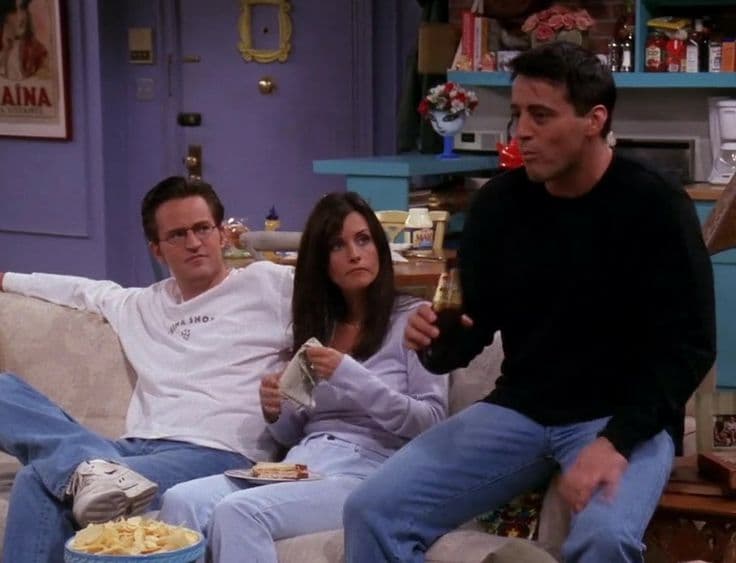
Despite his emotional depth, The Big Bang Theory sometimes failed to fully appreciate Raj’s importance within the group dynamic. There were moments when Raj felt invisible even while sitting beside everyone else. One of the best examples happened during a dinner conversation involving Penny and Bernadette.
Raj jokingly pointed out how he had been sitting with the group for years without anyone caring much about dinner conversations, but suddenly Penny sat down and everyone started discussing getting dinner from IKEA. The joke was funny, but underneath it was something surprisingly truthful. Raj often felt overlooked.
That scene reflected a deeper reality about his role in the group. He was physically present, emotionally invested, and deeply loyal, yet people sometimes treated him like background noise compared to the louder personalities around him. The moment worked because it felt honest.
Many people understand what it feels like to sit quietly within friendships or social circles while feeling emotionally unnoticed. Raj’s humor often came from those uncomfortable truths. Even when the show laughed at Raj’s emotional struggles, audiences could still sense the sadness underneath some of those jokes. That emotional layer is one reason many fans eventually realized how underrated he truly was.
One of the strongest parts of Raj’s character was his friendship with Howard Wolowitz. At first, their relationship looked purely comedic. They argued constantly, behaved possessively, and often acted more emotionally attached than many sitcom couples. But beneath the jokes was one of the show’s most emotionally meaningful friendships.
Howard understood Raj better than almost anyone else. He recognized Raj’s insecurities, emotional dependency, loneliness, and fear of abandonment because he spent years watching Raj struggle with those feelings. Raj also witnessed Howard’s growth from an immature and insecure man into a husband and father.
Their friendship survived jealousy, emotional fights, relationship changes, personal growth, and major life transitions. That emotional consistency mattered. Raj’s reaction to Howard getting married reflected genuine fear of losing the person who understood him most deeply. Many viewers laughed at Raj’s clinginess, but emotionally, his fear made complete sense.
When longtime friendships change, people often feel abandoned even when they are happy for the other person. Raj’s emotional reactions felt truthful because they reflected real human attachment rather than simple sitcom exaggeration.
One reason Raj deserves more recognition is because he brought emotional softness to a group largely driven by sarcasm, logic, and awkward humor. Sheldon dominated conversations intellectually. Howard relied heavily on comedy. Leonard often served as the grounded middle point. Raj brought emotional sensitivity into the group dynamic.
He cared deeply about romance, friendship, validation, and emotional connection. That emotional perspective balanced the show in important ways. Without Raj, The Big Bang Theory could have become emotionally colder. His reactions often reminded audiences that behind all the scientific discussions and comedic situations were people struggling with loneliness, identity, and connection.
Raj also represented people who do not always feel fully confident socially but still want meaningful relationships. That representation mattered. Many viewers saw themselves in Raj more than in Sheldon or Leonard because Raj’s emotional struggles felt closer to real life. Not everyone is a genius physicist or socially fearless. Many people understand insecurity, awkwardness, rejection, and emotional longing much more intimately.
Raj gave those feelings visibility within the show.
Part of why Raj remains underrated is because his character growth was quieter compared to the dramatic transformations of other characters. Howard’s development into a responsible husband and father felt obvious. Sheldon’s emotional growth became central to the show’s later seasons.
Raj’s development happened more gradually. Over time, he became more independent, more socially confident, more emotionally expressive, and more willing to stand up for himself. He slowly learned to speak to women without alcohol. He became more honest about his emotional needs. He also began recognizing that happiness could not come entirely from external validation.
His journey was not perfect, and that imperfection actually made it realistic. Real emotional growth rarely happens dramatically overnight. Most people improve gradually through painful experiences, failures, loneliness, and self-reflection. Raj’s development reflected that truth more honestly than many sitcom arcs.
Perhaps the biggest reason Raj became such an underrated character is because he represented loneliness more honestly than almost anyone else on the show. Even while surrounded by friends, Raj often seemed emotionally isolated. That is a feeling many people understand deeply.
Loneliness is not always about physically being alone. Sometimes it comes from feeling emotionally disconnected, misunderstood, or left behind while everyone else appears to move forward. Raj carried that emotional weight throughout much of the series.
His desperate search for love sometimes became comedic, but beneath the humor was a genuine desire to feel emotionally chosen and understood. That emotional truth made him one of the most human characters in the show.
The Big Bang Theory made Raj Koothrappali one of its most underrated characters because his emotional depth was often hidden beneath jokes and awkward humor. While louder personalities received more attention, Raj quietly represented loneliness, vulnerability, insecurity, emotional attachment, and the universal desire for connection in ways that felt deeply truthful.
He was not perfect. He could be needy, insecure, dramatic, and overly emotional at times. But those flaws made him feel real. Moments like his dinner comment about suddenly discussing IKEA because Penny sat down reflected something many people experience in real life: the feeling of being present but emotionally overlooked.
Raj’s emotional openness, sensitivity, and desire for love gave The Big Bang Theory much of its hidden emotional heart. Over time, many fans began realizing that Raj was never just comic relief. He was one of the show’s most relatable and emotionally honest characters.
And in many ways, that honesty is exactly why he remains so underrated today.