How Nigerian Entertainment Influences Fashion in Nigeria
How Nigerian Entertainment Influences Fashion in Nigeria
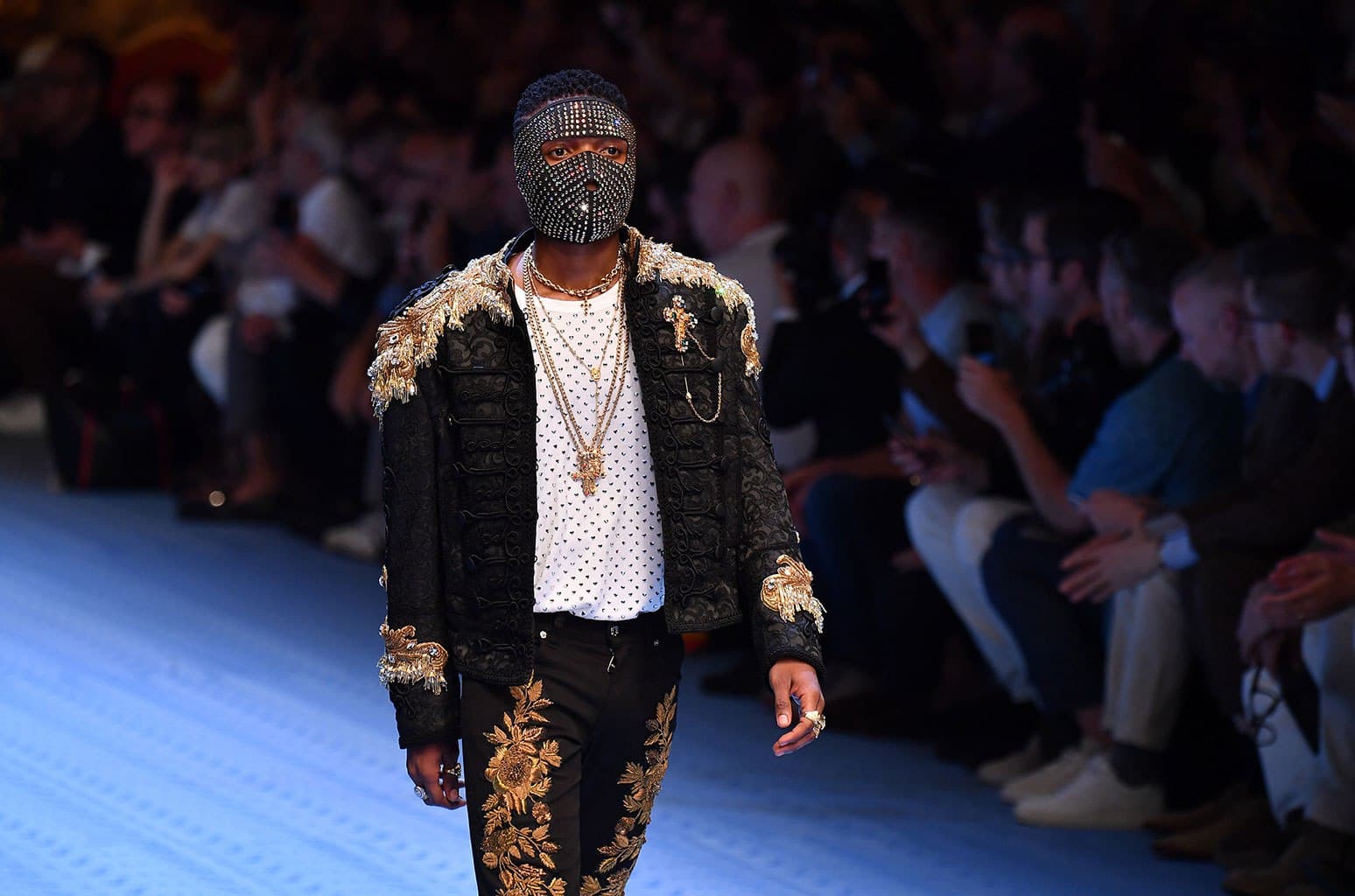
Nigerian entertainment is more than music, film, and performance. It is a cultural engine that shapes how people dress, speak, and express identity. From streetwear in Lagos to luxury fashion on red carpets, the influence of entertainers is everywhere. Musicians, actors, and comedians are not just performers; they are style leaders whose choices quickly become national trends.
What makes Nigeria unique is how fast entertainment translates into fashion. A single music video outfit, a stage performance, or even a slang used in a song can change how young people dress within days. This relationship between entertainment and fashion is powerful, emotional, and deeply connected to identity.
Music Icons as Fashion Trendsetters
In Nigeria, music artists are some of the strongest drivers of fashion culture. Artists like Wizkid, Davido, and Pasuma have all shaped how different fashion styles are accepted across generations.
Wizkid, for example, is known for his simple yet luxury-driven fashion sense. His style often includes high-end streetwear, designer sunglasses, oversized shirts, and relaxed fits. Fans quickly associate his calm personality and “Starboy” identity with effortless luxury. His popular slang like “E be things” has also become part of youth expression, often used in social media captions that accompany stylish outfits. The idea is simple: if it’s Wizkid-coded, it must look expensive but effortless.
Davido brings a different energy. His fashion is bold, loud, and celebratory. He often wears bright designer outfits, flashy jewelry, and statement pieces that match his energetic personality. His slang like "We rise by lifting others" and "E choke" has also influenced how people present themselves online. "E choke" in particular has become a fashion reaction phrase, often used when someone sees an outfit that is too stylish. Davido's influence encourages confidence in dressing: wear it big, wear it loud, and own it.
Pasuma represents a different but equally powerful influence, especially in Fuji music and Yoruba culture. His traditional outfits (flowing agbada, caps, and embroidered styles) have helped keep cultural fashion alive. Pasuma's stage presence often blends tradition with modern swagger, influencing older and younger audiences alike. His slang expressions and Fuji performance style reinforce a cultural pride that shows in how people wear native attire for weddings, parties, and celebrations.
Together, these artists show how Nigerian fashion is not one style. It is a blend of luxury, streetwear, and tradition, all influenced by music and personality.
Nollywood, Celebrities, and Everyday Style Identity
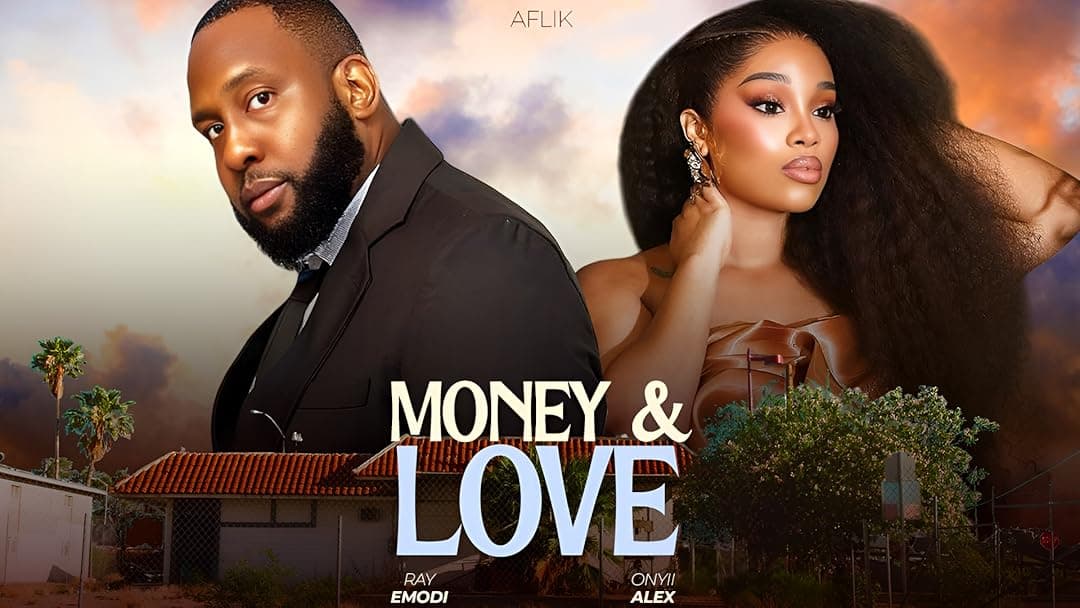
While musicians dominate fashion influence, Nollywood actors also play a major role in shaping everyday style. Nigerian films often showcase weddings, office wear, luxury lifestyles, and traditional ceremonies, and viewers absorb these visuals as inspiration.
Actors on screen influence how people dress for real-life events. Wedding gowns, aso-ebi styles, and groom outfits often mirror what is seen in popular Nollywood movies. Female celebrities in particular shape beauty and fashion trends through their character roles. When an actress appears in a movie wearing a stunning lace gown or a well-tailored corporate outfit, it quickly becomes a reference point for fashion designers and tailors.
Fashion in Nollywood also reflects aspiration. Many films portray success through clothing: designer suits, expensive handbags, and polished appearances. This influences viewers to associate fashion with status and confidence. As a result, young Nigerians often recreate these looks for parties, photoshoots, and social media content.
Even slang used in Nollywood and entertainment culture influences fashion expression. Phrases like “you are on your own,” “it is the confidence for me,” or “no gree for anybody” often accompany outfit posts online. These expressions are not just words; they shape how people present their style personality.
Fashion designers in Nigeria also collaborate with entertainers to create signature looks. Red carpet appearances at award shows like The Headies or AMVCA often become global talking points. A single outfit worn by a celebrity can trend for weeks and influence tailoring requests nationwide.
Social Media, Street Culture, and the Speed of Fashion Trends
Beyond music and movies, social media has made fashion trends spread faster than ever in Nigeria. Platforms like Instagram, TikTok, and X (Twitter) have turned entertainers into daily fashion influencers. A single post from Wizkid or Davido wearing a unique outfit can inspire thousands of replicas within days.
Street culture also plays a huge role. Nigerian youth combine entertainment influence with personal creativity to build unique styles. Streetwear brands often reference slang, music lyrics, and celebrity culture in their designs. When Wizkid says "Starboy," it becomes more than a nickname. It becomes a fashion identity printed on shirts, caps, and jackets.
Davido's energetic personality has also influenced bold fashion experimentation. Fans often recreate his stage looks for concerts, turning music events into fashion showcases. The phrase "E choke" is now not just slang. It is a fashion reaction used when someone's outfit is visually impressive or extravagant.
Pasuma’s influence continues in cultural and ceremonial fashion. His impact ensures that traditional clothing remains relevant in modern Nigeria. At weddings, birthdays, and cultural events, many people still draw inspiration from Fuji music aesthetics, mixing modern tailoring with traditional fabrics.
What makes Nigerian fashion unique is its speed and flexibility. Trends do not take years to develop. They can start from a music video, a movie scene, or even a viral slang and become nationwide style movements within weeks.
Conclusion
Nigerian entertainment has become one of the strongest forces shaping fashion identity in the country. From Wizkid’s luxury streetwear and calm confidence, to Davido’s bold and expressive style, and Pasuma’s cultural fashion influence, each artist contributes to a diverse fashion ecosystem.
Fashion in Nigeria is no longer just about clothing. It is about expression, identity, and connection to culture. Entertainment gives people inspiration, slang gives them the language, and social media gives them the platform to showcase it.
In the end, Nigerian fashion is a living reflection of its entertainment industry: bold, expressive, and constantly evolving.