Survivor Created Some Of Reality TV’s Most Shocking Betrayals
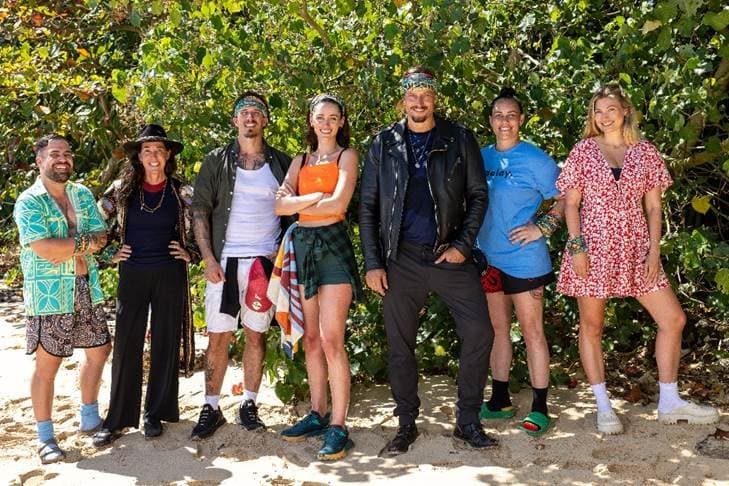
Survivor Created Some Of Reality TV’s Most Shocking Betrayals
For more than two decades, Survivor has remained one of the most fascinating reality television shows ever created. While the competition features challenges, hidden immunity idols, and social strategy, one element has consistently separated Survivor from almost every other reality series: betrayal. The game is built on trust, but winning often requires breaking that trust at exactly the right moment. As a result, Survivor has produced some of the most shocking, emotional, and unforgettable betrayals in television history.
What makes these moments so powerful is that they rarely involve strangers. Contestants spend weeks living together under difficult conditions. They share food, shelter, personal stories, fears, and dreams. Alliances often become genuine friendships. Sometimes they feel like family. That emotional closeness makes every betrayal hurt more because the people involved are not simply game pieces. They are people who have built real connections.
As someone who has watched Survivor for years, I have always found these moments fascinating. There is often a strange mix of admiration and heartbreak when a major betrayal happens. Part of me appreciates the strategic brilliance behind a move, while another part feels bad for the player who never saw it coming. That emotional conflict is one reason Survivor remains so compelling after all these years.
The show's greatest betrayals are not remembered simply because someone got voted out. They are remembered because they changed relationships, altered seasons, and sometimes redefined how future players approached the game.
Survivor Turned Trust Into The Most Valuable Currency
One of the reasons betrayals matter so much on Survivor is because trust is the foundation of everything. Unlike many competitions where individual performance determines success, Survivor requires people to work together. Contestants form alliances almost immediately because surviving alone is nearly impossible. Every strategic decision depends on trust. Players need to believe their allies are telling the truth, sharing information honestly, and voting as promised.
That trust creates vulnerability. The moment someone feels safe is often the moment they become most exposed. Great players understand this better than anyone. They know that convincing someone to trust you completely can be more valuable than finding an immunity idol. Over the years, viewers have watched countless players put their faith in the wrong person. Some alliances seemed unbreakable until one member suddenly decided their own path to victory required a betrayal.
Perhaps what makes these moments so memorable is how relatable they can feel. Most people have experienced disappointment, broken trust, or betrayal in some form during their lives. While Survivor takes place in an extreme environment, the emotions often feel familiar.
Watching a contestant realize they have been betrayed creates a reaction that extends beyond the game itself. It becomes a very human moment. That emotional realism is part of what keeps audiences invested season after season.
Some Betrayals Changed Survivor History Forever
Certain betrayals became so significant that they permanently changed the history of the show. One of the most famous examples occurred during Survivor: All-Stars when Boston Rob Mariano chose strategy over friendship. Throughout the season, Rob built strong relationships and made promises that helped him advance. However, some of those promises were eventually broken when keeping them no longer benefited his game.
The fallout became one of the most emotional storylines the series had ever produced. Fans debated whether Rob's actions were a brilliant strategy or unnecessary betrayal. Years later, people still discuss those decisions because they highlighted one of Survivor's central questions: How far should someone go to win?
Another unforgettable moment came when Jonny Fairplay lied about the death of his grandmother in an effort to gain sympathy. The move shocked viewers because it crossed a line many people never expected a contestant to cross. While controversial, it demonstrated how far some players were willing to go in pursuit of victory.
Then there was the famous Black Widow Brigade in Survivor: Micronesia. Their strategic manipulation led to one of the most stunning betrayals in the show's history when Erik Reichenbach voluntarily gave away his immunity necklace. Watching him hand over guaranteed safety only to be voted out immediately afterward remains one of the most shocking scenes ever broadcast.
These moments stand out because they combined strategy with genuine surprise. Viewers experienced the same shock that contestants felt in real time. That kind of television is incredibly difficult to create.
The Best Survivor Betrayals Are Built Over Time
What separates great Survivor betrayals from ordinary votes is preparation. The most memorable betrayals rarely happen suddenly. Instead, they develop slowly over multiple episodes. Relationships are built carefully. Trust grows stronger. Alliances appear solid. Then, at exactly the right moment, everything falls apart.
This gradual buildup creates emotional investment. One of the reasons Jesse Lopez's blindside of Cody Assenmacher in Survivor 43 resonated with so many fans was because viewers had spent weeks watching their friendship develop. The two players trusted each other completely. They strategized together, protected one another, and appeared destined to reach the end as allies.
When Jesse ultimately turned on Cody, the move was strategically brilliant. It was also heartbreaking. As a viewer, I remember understanding why Jesse made the decision while simultaneously feeling devastated for Cody. That emotional contradiction is what great Survivor betrayals often create. Fans can appreciate the strategic necessity of a move while still feeling sympathy for the person being betrayed.
The best betrayals force viewers to ask difficult questions.
Would I have done the same thing?
Could I betray someone I genuinely liked if it improved my chances of winning?
Would loyalty matter more than victory?
Those questions make Survivor more than just a competition. They transform it into a social experiment about human behavior under pressure. The answers are rarely simple.
Betrayal Became Part Of Survivor’s Identity
Over time, betrayal became one of the defining characteristics of Survivor itself. New players enter the game knowing betrayal is possible. They have watched previous seasons. They understand alliances are temporary. Yet despite that knowledge, betrayals continue to surprise people every year. That is because emotional trust cannot be eliminated entirely.
Even experienced players eventually form genuine bonds with others. Spending weeks together creates connections that are difficult to separate from strategy. No matter how prepared someone thinks they are, betrayal often hurts when it happens. The show's evolution has made betrayals even more complicated. Modern Survivor features hidden idols, advantages, split votes, and constantly shifting alliances. Players must navigate increasingly complex strategic environments where loyalty often lasts only a few days.
Despite these changes, the emotional core remains the same, people still trust, people still lie, people still get blindsided and audiences still react strongly when those moments occur.
Interestingly, some of the most beloved players in Survivor history built their reputations through betrayal. Parvati Shallow, Tony Vlachos, Sandra Diaz-Twine, and Boston Rob all made moves that required turning against allies at various points. Fans celebrate many of these decisions because they were executed strategically and effectively.
This creates another fascinating aspect of the show. Betrayal is often condemned in everyday life, yet rewarded within the game.
Contestants constantly balance morality and strategy. Some prioritize loyalty and lose. Others embrace deception and win. The tension between those approaches has fueled countless memorable seasons.
Why Fans Never Stop Talking About Survivor’s Biggest Betrayals
More than twenty years after its debut, Survivor continues to produce moments that capture the attention of audiences around the world. While challenges and advantages contribute to the excitement, it is often the betrayals that remain in fans' memories the longest.
These moments reveal something important about human nature. They show how trust can be built, how relationships influence decisions, and how ambition sometimes overrides loyalty. The game creates situations where contestants must choose between personal bonds and strategic success.
Those choices are rarely easy. That is why some betrayals continue to spark debate years later. Fans still discuss whether certain moves were justified, whether players acted too aggressively, or whether loyalty should have mattered more.
The fact that there are no universally accepted answers keeps the conversations alive. Ultimately, Survivor created some of reality television's most shocking betrayals because it understands a simple truth: people become emotionally invested when relationships are real. When trust exists, betrayal matters. When friendships form, strategic decisions carry emotional consequences.
The greatest blindsides in Survivor history were never just about votes. They were about people. And that is exactly why fans continue talking about them long after the torches have been snuffed.