The Unexpected Cultural Shift Triggered by David Beckham in the U.S
The Unexpected Cultural Shift Triggered by David Beckham in the U.S.
From Madrid to Los Angeles: A Move That Changed American Soccer Forever
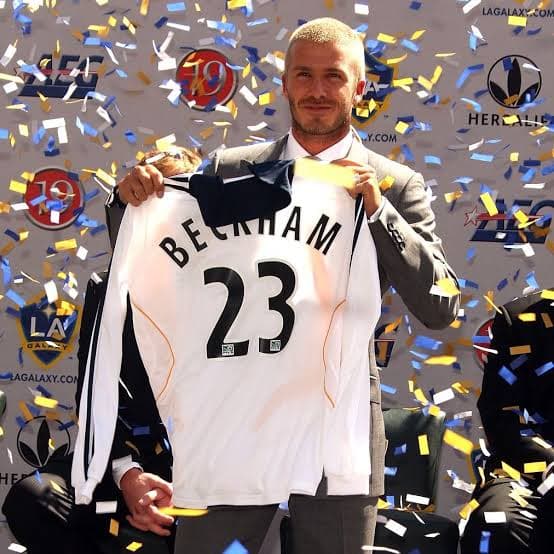
When David Beckham left Real Madrid to join LA Galaxy in 2007, it wasn’t just another transfer. It was a cultural shock to American sports. At the time, Major League Soccer was still growing, often seen as a developing league rather than a global destination.Ironically, Beckham left Spain at a high point in his career. Under Fabio Capello, he won the La Liga title in his final season at Real Madrid, proving he still had the quality to compete at the highest level of European football. In fact, he could have stayed at the club if he had pushed for it, as there was still belief in his value within the squad.
However, his situation in Madrid had been emotionally difficult, with intense media pressure, uncertainty around his future, and a strained period in his final months at the club. Despite the opportunity to continue in Europe at the highest level, Beckham chose to honor his agreement with LA Galaxy, committing to a move that had already been signed and publicly announced. That decision alone changed the trajectory of American soccer.
Beckham's arrival in MLS was not just about football. It was about credibility, global attention, and ambition. He wasn't arriving at the end of his career with nothing left to prove; he was arriving as a La Liga champion with the option to stay in Europe, but choosing instead to help build something new.
Behind the scenes, the financial structure of MLS had to adapt to make the deal possible. Beckham’s “Designated Player” contract became a turning point, allowing clubs to sign global stars outside the standard salary cap system. Without that rule, a player of his stature would never have been able to join the league.
At the time, many MLS players were earning modest salaries compared to European footballers, with some lower-tier roles in the league system paying relatively small annual wages. The contrast highlighted just how ambitious Beckham’s signing really was. It wasn’t just about football quality; it was about elevating the entire league’s value, visibility, and structure. Even before he kicked a ball, Beckham had already changed American football.
Fame, Friends, and Friction: Life Off the Pitch in LA
Beckham’s arrival in Los Angeles placed him in one of the most celebrity-driven cities in the world. His lifestyle quickly extended beyond football, mixing with Hollywood culture and high-profile personalities, including well-known actors and entertainers. His presence blurred the line between sports and celebrity entertainment in a way MLS had never experienced before.
However, his early years at LA Galaxy were not smooth. On the pitch, expectations were extremely high, but results were inconsistent. This created tension between Beckham, the club, and parts of the fanbase who expected immediate dominance.
One of the most talked-about tensions involved Landon Donovan, one of the club’s biggest American stars. Reports of disagreement and criticism surfaced during Beckham’s loan spells to AC Milan, where he wanted to maintain match fitness at the highest level. Some viewed his decisions as ambition-driven, while others saw them as a lack of commitment to LA Galaxy. This tension eventually spilled into the stands, where Beckham was even booed by sections of fans upon his return from loan spells. It became one of the most controversial phases of his MLS career.
Over time, however, perspectives shifted. A key moment came when internal conversations helped reframe the situation, with the idea that LA Galaxy represented Donovan’s club identity in the same way Manchester United represented Beckham’s own football roots. That understanding helped cool tensions and slowly rebuilt respect between players and supporters. What once looked like division eventually became part of the league’s growing pains.
The AC Milan Chapter and Proving Himself at the Highest Level
Beckham's decision to join AC Milan on loan during his LA Galaxy contract was another defining moment. Many questioned whether a player in MLS could still compete at the highest European level. Beckham answered that question on the pitch. At AC Milan, he proved he still belonged among elite footballers. His passing range, discipline, and professionalism earned respect from teammates and critics alike. The move wasn't just about football. It was about credibility. Beckham wanted to show that his move to America did not mean retirement from top-level competition.
However, the situation also created frustration in Los Angeles. Some fans felt abandoned during key moments of the MLS season, while others understood his desire to stay competitive for international duty. The emotional divide between ambition and loyalty became a recurring theme in Beckham’s MLS journey. Yet, in hindsight, those loan spells also elevated MLS’s reputation. They reinforced the idea that the league was no longer a “retirement destination” but part of a larger global football ecosystem. Beckham’s European success during this period ultimately strengthened his legacy rather than weakening it.
Victoria Beckham and the Personal Side of the American Move
Behind the sporting headlines, the Beckham family also experienced a major lifestyle transition. Moving from Europe to the United States brought both relief and adjustment. Victoria Beckham, already a global figure in fashion and entertainment, found aspects of life in America more accessible compared to Europe. In Los Angeles, she experienced a more structured balance between public life and family privacy, especially when compared to the intense media scrutiny she had faced in Madrid, Spain. The move also made daily life more manageable for the family, particularly when it came to raising children in a more flexible environment. Compared to the constant pressure and public attention they experienced in Europe, the United States offered a different rhythm of life.
In Spain, during Beckham’s time at Real Madrid, family routines were often shaped by football schedules, media attention, and travel demands, which created logistical challenges. The transition to Los Angeles allowed for a more settled family structure, even as Beckham’s career remained high-profile. This personal stability played a quiet but important role in supporting Beckham’s long-term success in MLS. While the football world focused on performances and controversies, the family was adapting to a new kind of normal--one that eventually became their long-term base.
From Player to Powerhouse: Beckham’s Lasting Legacy in American Soccer
After retiring, David Beckham did not step away from football influence in the United States. Instead, he took on a new role that would reshape the sport again: club ownership. With the creation of Inter Miami, Beckham transitioned from global player to global builder. This move marked the second major wave of his impact on American football. If LA Galaxy represented his introduction to MLS, Inter Miami represented his long-term vision for the sport in the U.S.
His influence quickly became visible in the club’s ambition and recruitment power. The arrival of global superstars like Lionel Messi and Luis Suárez signaled a shift in how MLS clubs could operate on the world stage. These were not just signings; they were statements that MLS had become a legitimate destination for elite talent.
Beckham’s role helped transform MLS from a developing league into a growing global brand. More importantly, it changed how the world viewed American soccer culture. The league was no longer defined by retirement narratives, but by ambition, investment, and global connectivity. Looking back, Beckham’s journey in American football was never just about goals or trophies. It was about transformation. From controversy and adaptation to ownership and global influence, he helped reshape the identity of the sport in the United States. And that is the true cultural shift he triggered--one that continues to evolve today.